Electric Vehicles demand advanced silicone cooling hoses for their superior thermal resistance, durability, and flexibility. These traits manage complex battery and electronics cooling loads. Traditional rubber hoses fall short under such stress. This upgrade is a necessity for safety, efficiency, and longevity.
Silicone cooling hoses withstand high temperatures up to 220°C to prevent battery overheating.
Silicone hoses resist ozone and UV damage to ensure long service life beyond 10 years.
Silicone hoses allow custom routing and easy replacement to boost cooling system efficiency.
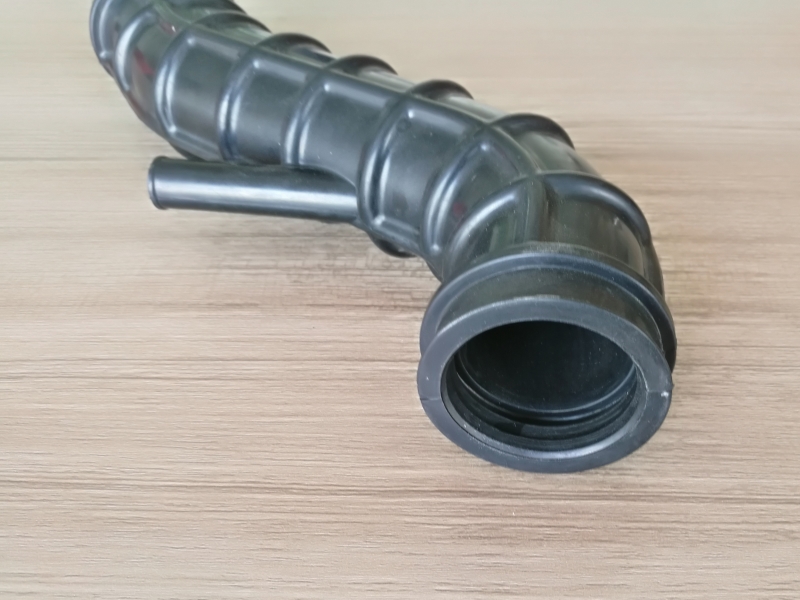
Your electric vehicle's battery pack generates substantial heat during charging, discharging, and high-performance driving. Managing this heat is critical for safety and performance. Silicone cooling hoses offer thermal resistance that traditional rubber materials cannot match. They help your battery cooling system maintain consistent operating temperatures under demanding conditions. This thermal management capability directly impacts your vehicle's reliability and lifespan.
Your EV battery cooling system must prevent overheating during fast charging and heavy use. Silicone hoses withstand temperatures up to 220°C. This heat tolerance makes them ideal for the demanding environment inside an electric vehicle. Silicone's ability to handle high temperatures directly reduces the risk of thermal runaway. By maintaining consistent coolant flow under extreme conditions, these hoses help your battery stay within its safe operating window. They circulate coolant around the battery pack to keep temperatures stable. They also resist electrochemical degradation, a problem that plagues rubber alternatives. EPDM rubber hoses degrade faster when exposed to repeated heat cycles. They lose structural integrity over time.
Your EV experiences constant thermal cycling. Cold starts, rapid heating during operation, and cooling after shutdown create repeated expansion and contraction stress. Silicone stays flexible across this entire temperature range, from -55°C to +175°C. This sustained flexibility prevents low-temperature embrittlement and cracking. In seals and boots, retained elasticity maintains contact pressure across thousands of cycles. In cable insulation, this flexibility reduces cracking under bending and vibration. Standard rubber materials like NBR work for basic cooling systems and cost 40-50% less than silicone. However, for turbocharged engines, hybrid and electric vehicle thermal management, and service intervals beyond 10 years, silicone is the recommended choice.
Coolant loss might seem minor, but over your EV's lifespan it degrades system performance. Silicone hoses exhibit minimal coolant absorption, described as less than 3% weight gain. This property ensures stable coolant flow and consistent battery temperature control. However, you should understand a technical nuance. Silicone has a relatively open molecular structure. This makes it more permeable to gases and vapors compared to materials like CPE. Standard silicone formulations allow more water vapor permeation than EPDM rubber. Small amounts of coolant can escape through diffusion over long service periods.
EV-specific silicone formulations address this challenge. Higher glycol concentrations above 60% favor silicone because of reduced swelling and permeation. Advanced silicone compounds designed specifically for electric vehicles achieve permeation rates reduced by approximately 40-60% versus standard formulations. These engineered materials make silicone a viable long-term solution for EV cooling systems.
Materials must demonstrate minimal permeation rates to prevent coolant loss and maintain system efficiency over typical vehicle lifespans of 150,000 miles or more.
Long-term exposure to glycol-based coolants may gradually affect silicone compounds not specifically formulated for EV use. Potential risks include:
Reduced mechanical strength
Surface softening
Accelerated aging
You must choose hoses engineered specifically for Electric Vehicles. Selecting the right material ensures consistent cooling performance and protects your battery investment.
Your cooling system faces constant environmental assault. Ozone from electrical components, UV radiation through grille openings, and weather extremes degrade conventional rubber. Silicone resists these threats without protective additives. This durability prevents failures over your vehicle's service life.
Ozone testing confirms silicone's performance edge. Under ASTM D1149 and ISO 1431 conditions, silicone shows no visible cracking after 1,000 hours at 50 pphm ozone with 20 percent strain. Dynamic ozone exposure with 50 pphm and 10 percent cyclic strain for 100 hours shows no cracking. EPDM rubber requires 25 to 35 parts per hundred of protective wax and amine antiozonants to approach similar resistance.
UV weathering tests reinforce this finding. After 5,000 hours of 340 nm UV-A exposure at 60°C and 50 percent relative humidity, silicone shows no significant degradation. Your electric vehicle's hoses maintain shape and sealing integrity throughout extreme environmental exposure.
Coolant leaks can cause battery overheating and catastrophic failure. Reinforced silicone hoses prevent this through robust construction. Testing protocols subject hoses to temperatures from -40°C to 150°C while monitoring seal integrity. Pressure decay and thermal cycling validation confirm leak-free performance.
Burst pressure testing verifies safety margins. Silicone reinforced hoses for cooling systems carry pressure ratings of 60 psi with operating temperature ranges from -40°F to 500°F. This margin handles pressure spikes from rapid thermal cycling. Finite element analysis predicts seal behavior under thermal expansion. Vacuum leak detection and long-term aging simulation confirm seal reliability.
Choose hoses with appropriate reinforcement layers to prevent collapse and maintain structural integrity under stress.
Sunrise silicone hoses undergo rigorous testing to meet the thermal and pressure demands of Electric Vehicles.
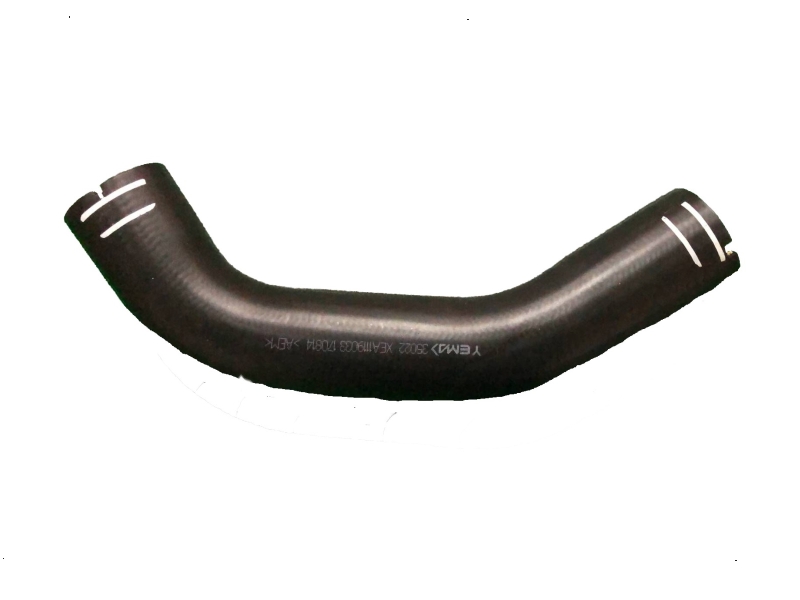
Your electric vehicle's cooling system must snake through a crowded battery pack and power electronics bay. Silicone hoses accept custom molding into tight-radius bends and non-standard shapes. This flexibility allows routing around structural members without sharp kinks that restrict flow. Manufacturers can design integrated one-piece hose assemblies that replace multiple rubber sections and their connecting joints. Fewer connections mean fewer potential leak points. The material's ability to hold complex geometries under vacuum and pressure ensures the coolant path stays efficient throughout the vehicle's life. You gain design freedom that rigid pipes or standard rubber hoses cannot provide. Engineers can optimize every bend to minimize pressure drop and reduce the load on your coolant pump. This design flexibility directly supports the compact packaging demands of modern Electric Vehicles.
Silicone's smooth bore surface creates less flow resistance than ribbed or aged rubber hoses. This lower restriction improves coolant circulation, helping your thermal management system respond faster to temperature changes. Reduced flow resistance also decreases the workload on your coolant pump, contributing to overall system efficiency. The lower resistance further reduces the energy your coolant pump consumes over time. This efficiency gain may seem small, but it accumulates across thousands of hours of operation. When maintenance becomes necessary in Electric Vehicles, silicone hoses slide off fittings more easily than rubber counterparts. They do not bond to metal surfaces from heat and age. This ease of removal saves service time and reduces the risk of damaging nearby components. The combination of better flow characteristics and simpler maintenance makes silicone a practical choice for your cooling system. You can replace a silicone hose without specialized tools or excessive force, reducing downtime and labor costs. Service technicians appreciate the material's forgiving nature during routine maintenance intervals.
Silicone cooling hoses enable your Electric Vehicles to achieve superior performance, safety, and eco-friendliness. As EV technology accelerates, demand for Sunrise's advanced engineered materials will continue rising. These hoses remain essential for next-generation electric mobility, ensuring reliable thermal management and supporting the transition to sustainable transportation for decades to come.
Silicone resists heat, ozone, and UV far longer than rubber. It stays flexible from -55°C to +175°C. Many formulations support service intervals beyond 10 years.
EPDM rubber costs 40-50% less, but it degrades faster under repeated heat cycles. For an electric vehicle cooling system hose, silicone is the recommended choice.
Choose a supplier who engineers compounds specifically for EVs. Ask for permeation data, burst pressure ratings, and ozone test results. Sunrise meets these standards.

Sunrise Silicone Hose Co., Limited


Die Anschrift : Suite 805, No. 341 Jiahe Road, Xiamen City, Fujian Province, China
Email : sales@siliconehose-china.com