Silicone hoses are specialized flexible tubing made from silicone rubber. In hydrogen fuel cell vehicles, they safely transport coolant and gases. They resist high temperatures, stay flexible, and last long. The global market for these vehicles will reach $28.23 billion by 2030, growing at 19.7% annually. This guide covers benefits, limitations, and alternatives like EPDM and marine rubber hose. Choosing the right hose matters for safety.
Silicone hoses handle extreme temperatures and chemicals well. They keep hydrogen fuel cell vehicles safe and efficient.
Silicone hoses can release siloxane. This can poison the fuel cell catalyst. Use FKM or PTFE linings inside the stack.
Choose hoses that meet SAE and ISO standards. Check for certifications like IATF 16949. This ensures quality and safety.
Silicone hoses are flexible tubes made from silicone rubber, a synthetic elastomer built from silicon, oxygen, hydrogen, and carbon. You will find these hoses in demanding automotive systems, including the hydrogen fuel cell hose assemblies that carry coolant and gases. The material's silicon–oxygen backbone sets it apart from ordinary rubber. This Si–O bond carries roughly 444 kJ/mol of energy, while a typical carbon–carbon bond holds about 348 kJ/mol. That extra bond strength explains why silicone resists heat, oxidation, and ultraviolet light so well.
The table below summarizes the core properties you should expect from a standard silicone hose.
|
Property |
Silicone Hose |
|---|---|
|
Material |
Silicone-based polymers |
|
Temperature Range |
-60°C to 230°C |
|
Chemical Stability |
Excellent; resists various corrosive media |
|
Electrical Insulation |
Good; suitable for high-voltage applications |
|
Flexibility |
High elasticity and good flexibility |
|
Pressure Resistance |
Low for standard hoses (< 0.5 MPa); requires steel wire reinforcement for high-pressure use |
Standard rubber hoses rely on a carbon–carbon backbone. That structure breaks down sooner under heat and UV exposure. Silicone rubber stays stable from about -50°C up to 250°C and beyond, a range that exceeds many other rubbers. Typical rubber hoses, by contrast, handle far less heat and lose flexibility in cold conditions.
Chemical behavior separates the two materials as well. Silicone is largely inert and resists water, oil, and fuel. A rubber hose's chemical compatibility depends on its formulation, and certain chemicals will degrade it over time. For hydrogen fuel cell vehicles, this difference matters. You need tubing that tolerates temperature swings and chemical exposure without cracking or swelling.
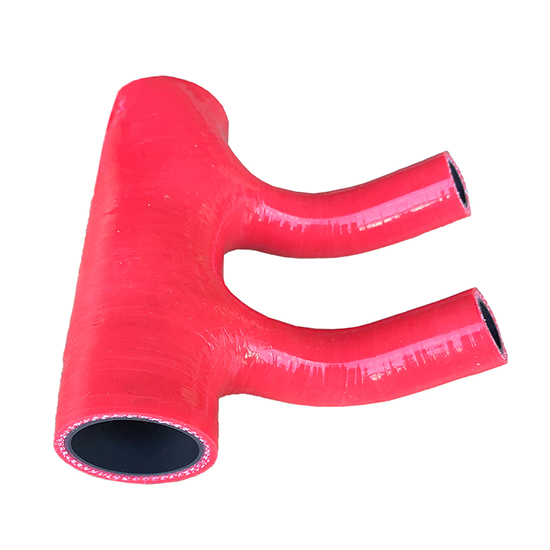
Silicone hoses solve critical engineering challenges inside hydrogen fuel cell systems. The electrochemical reaction demands tubing that maintains integrity under heat, pressure, and chemical exposure. Standard rubber hoses fail in this environment. Silicone provides the performance baseline that hydrogen power requires.
Fuel cell stacks generate substantial heat during operation. Your hydrogen fuel cell hose must handle sustained high temperatures without hardening, cracking, or losing flexibility. Silicone’s silicon–oxygen backbone delivers thermal stability from -60°C to 230°C. This range covers both the heat of active operation and cold-start conditions in winter climates.
Custom-engineered silicone hoses are designed specifically for Fuel Cell Vehicle systems. Manufacturers add metal wire reinforcements to protect against extreme pressures, including vacuum conditions that can collapse an unreinforced hose. Fabric reinforcements, typically polyester or aramid in a multi-ply construction, provide added strength and high-temperature resistance. These materials keep the hose dimensionally stable under thermal cycling.
Pressure capability matters as much as temperature tolerance. Reliable hoses handle high pressures, giving you flexibility over rigid steel tubing. This pressure rating suits both onboard storage systems and the distribution lines within the fuel cell stack. Thermal aging tests confirm that optimized silicone compounds resist hardening and maintain long-term elasticity under operating conditions.
Chemical resistance determines hose life as much as temperature does. FKM-lined silicone hoses are best suited for hydrogen transport and cooling system integrity. Engineers commonly use them on the cathode side of the fuel cell. The FKM (fluoroelastomer) inner layer provides excellent chemical resistance and significantly lower gas permeability compared to standard silicone.
The bonding between silicone and FKM layers exceeds 5,000 N/m. Tested per SAE J20-2006 Section 5.11 and ASTM D413-98 (2017), this strong adhesion ensures the hose survives pressure cycling and thermal expansion without delamination. The low volatile compound content prevents interference with sensitive sensors and membranes inside the fuel cell.
Cleanliness is another decisive factor. Fuel cells are highly sensitive to particulates. Silicone hoses manufactured under clean production conditions with low extractable formulations prevent contamination that could degrade performance. A reliable fuel cell silicone hose supplier provides ultra-high purity materials that guarantee system integrity.
Flexibility completes the performance picture. Unlike rigid metal tubing, silicone hoses absorb vibration and accommodate thermal expansion in tight engine bays. They resist vacuum pressures and suit gas and fluid lines in electrolyzer systems. Whether you source from a specialist or an EV cooling hose manufacturer, the combination of chemical compatibility, low permeation, and mechanical flexibility makes silicone the practical choice for hydrogen fuel cell vehicles.
Silicone hoses deliver thermal stability that standard rubber cannot match. Your fuel cell stack produces continuous heat during operation. The silicone material handles this load without hardening or cracking. This thermal stability extends hose life and reduces replacement frequency. You avoid unplanned downtime and maintenance costs.
Cold environments test hose flexibility too. Silicone remains pliable at low temperatures. Rubber hoses stiffen and risk fracture under the same conditions. This wide operating range means one hose specification covers your entire climate envelope. You simplify inventory and specification decisions. Longevity also reduces waste and total cost of ownership over the vehicle's service life.
Leak prevention protects people and equipment. Hydrogen escapes easily through degraded materials. Silicone hoses resist permeation and maintain structural integrity under pressure cycling. This reliability keeps your system safe across thousands of operating hours. A hose failure in a hydrogen system carries serious consequences. You need materials that perform consistently.
Industry standards verify hose safety and quality. The table below lists the key certifications for hydrogen fuel cell hose applications.
|
Safety Standard / Certification |
Purpose in Hydrogen Fuel Cell Hose Safety |
|---|---|
|
SAE J20 |
Industry standard for hose performance and reliability |
|
IATF 16949 |
Automotive quality management certification |
|
ISO 9001 |
General quality management system certification |
|
FDA 21 CFR 177.2600 |
Material safety compliance for certain applications |
|
REACH |
Chemical safety and regulatory compliance |
|
RoHS |
Restriction of hazardous substances compliance |
A qualified EV cooling hose manufacturer follows these standards throughout production. You gain confidence that every hose meets automotive-grade requirements. This compliance protects your investment and your passengers. Reliable hoses also reduce warranty claims and reputational risk.
Silicone rubber exhibits higher hydrogen permeability than EPDM, FKM, and FFKM. This means hydrogen crossover is greater when you use silicone compared with these alternative elastomers. For a hydrogen fuel cell hose, that higher permeation rate translates into gradual gas loss and a greater risk of hydrogen reaching areas it should not. You must account for this behavior during system design.
Cost adds another layer of consideration. Silicone compounds and the reinforcement layers they require carry a higher price than standard rubber. FKM-lined constructions raise the cost further because the fluoroelastomer inner layer demands specialized processing. You pay more upfront, yet you gain thermal range and flexibility that cheaper materials cannot deliver. The trade-off only makes sense when your operating conditions truly demand silicone's strengths.
Silicone's interaction with the fuel cell stack itself creates the most serious limitation. The material leaches siloxane oligomers into the stack environment. These compounds adsorb onto platinum catalyst surfaces. Under cathode oxidizing conditions, they form a silica layer that permanently poisons the catalyst active sites.
Silicone is excluded from PEM fuel cell gasket consideration despite its favorable temperature range and low extractables in clean water.
This finding shapes how you specify materials. You can still use silicone for coolant lines and external gas routing where it never contacts the catalyst. For anything inside the stack, you need FKM, FFKM, or EPDM instead. A knowledgeable fuel cell silicone hose supplier will tell you exactly where silicone belongs and where it does not. Ask that question before you finalize any bill of materials.
Marine rubber hose serves well in boats and industrial settings. It cannot meet the demands of hydrogen fuel cell systems. This material lacks the temperature and permeation resistance you need. Hydrogen molecules are small and escape through inferior materials. A marine rubber hose also breaks down under the heat cycles of a fuel cell stack. You should not specify it for hydrogen service.
EPDM rubber offers a lower-cost option for coolant lines. Its temperature ceiling falls well below silicone. The table below shows the difference.
|
Hose Type |
Continuous Service |
Short-Term Peaks |
|---|---|---|
|
Standard EPDM rubber coolant hose |
120°C |
135°C |
|
Silicone coolant hose |
-50°C to 180°C |
200°C |
Silicone also stays flexible at low temperatures. EPDM stiffens in cold conditions. You gain a wider operating envelope with silicone. A marine rubber hose performs even worse in both extremes.
PTFE hoses deliver exceptional chemical resistance. They withstand acids, bases, and solvents. This inertness suits aggressive fluids in hydrogen systems. PTFE costs more than silicone. It also offers less flexibility. You trade bend radius for chemical protection.
Unlined silicone hoses present a real drawback. Silicone can leach from the hose and embed into membrane electrode assemblies. This degrades the MEA and shortens stack life. Lining with FKM reduces siloxane extraction by about 50 times. A marine rubber hose offers no such protection. Choose your material based on where the hose sits in the system.
Standards give you a verified baseline for hose performance. A custom silicone hose built for hydrogen fuel cell service (transporting hydrogen and oxygen) is specified to meet SAE J20 R4 CLASS A. This SAE standard confirms the hose handles the pressure and temperature demands of the application. You should ask any supplier for documented compliance before you place an order.
Quality management certifications matter just as much. The table below lists the systems a reputable manufacturer should hold.
|
Standard / Certification |
Scope / Relevance to Silicone Hoses |
|---|---|
|
ISO 9001 |
Quality management system for manufacturing consistency |
|
ISO 14001 |
Environmental management system |
|
IATF 16949 |
Automotive quality management |
These certifications prove the factory controls its processes. They do not replace performance testing, but they reduce your risk of receiving inconsistent parts.
Sunrise engineers its silicone hoses to meet your pressure, temperature, flexibility, and fluid transmission specifications. The company offers custom-engineered solutions for fuel cell vehicle systems. This approach ensures reliability and performance in your specific application. You receive a hose matched to your operating envelope rather than a generic part.
Contamination control separates a good fuel cell silicone hose supplier from an average one. Low extractables minimize contamination risks in chemical fluid and gas transfer. Platinum cured silicone improves purity compared with conventional processing methods. Stainless steel reinforcement adds pressure capability, structural strength, and vacuum resistance while keeping flexibility. These features protect your stack and extend service life.
You should inspect your hydrogen fuel cell hose on a fixed schedule. Look for surface cracks, swelling, and stiff spots along the full length. Check every clamp and fitting for looseness. A small leak in a hydrogen line creates a serious safety risk. Run a pressure test at your system's rated pressure and watch for slow drops. Pay close attention to bends and connection points, where stress concentrates.
Coolant condition tells you a lot about hose health. Silicone absorbs very little coolant, keeping the hose dimensionally stable under normal service. You can confirm this by weighing a removed hose against its original specification. A significant weight gain signals internal breakdown. Replace the hose before it fails in service.
Proper operating conditions extend hose life well beyond 10 years. Silicone handles a temperature range from -55°C to +175°C. Keep your system inside that window. Higher glycol concentrations, above 60%, favor silicone by reducing swelling and permeation. Choose your coolant mix with this in mind.
Stable under long-term heat cycling
Reinforced structure for vibration resistance
Optional FKM or PTFE lining for better hydrogen sealing
Resists coolants, water, and chemicals
Aging-resistant, UV-resistant, and durable under repeated heat and pressure cycles
These traits reduce maintenance frequency and costs. Store spare hoses away from direct sunlight and ozone sources. Follow the manufacturer's torque values when you refit clamps. Document every inspection so you can track degradation trends over time.
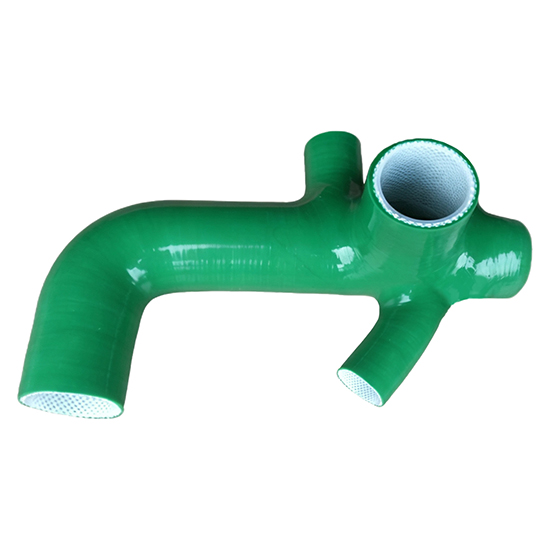
Material science continues to push silicone compounds toward better performance. Researchers now blend silicone with nano-fillers to improve thermal conductivity and mechanical strength. These additives help the hydrogen fuel cell hose shed heat faster during peak demand. You gain longer service life and more consistent performance across the operating range.
New curing systems also reduce volatile content. Platinum-cured silicone already improves purity over peroxide-cured versions. Future formulations will lower extractables even further. This matters because siloxane leaching poisons platinum catalysts inside the stack. A forward-looking fuel cell silicone hose supplier will adopt these cleaner compounds early. You should ask about curing methods when you evaluate vendors.
Hybrid constructions represent another promising direction. Manufacturers combine silicone outer layers with FKM or PTFE inner liners. This design reduces siloxane extraction by about 50 times compared with unlined silicone. You get the flexibility and thermal range of silicone plus the chemical inertness of fluoropolymers. Expect these hybrid hoses to become standard in cathode-side cooling loops.
Hydrogen infrastructure extends far beyond the vehicle itself. Electrolyzers, storage tanks, and fueling stations all need flexible tubing. Silicone hoses suit many of these stationary applications. They handle the temperature swings of compression and dispensing equipment. An experienced EV cooling hose manufacturer can supply hoses for both mobile and fixed installations.
The market trajectory supports this expansion. The global fuel cell vehicle market will reach $28.23 billion by 2030, growing at 19.7% annually. That growth drives demand for reliable hose assemblies across the entire supply chain. You will see silicone hoses in bus fleets, truck depots, and distributed generation sites. Each location needs tubing that resists heat, pressure, and chemical exposure.
Standards will evolve alongside the infrastructure. SAE J20 and IATF 16949 already govern automotive hose quality. Future revisions will likely add hydrogen-specific permeation limits. You should track these changes and specify compliant parts. Early adoption protects your investment and keeps your systems safe.
Silicone hoses play a critical role in hydrogen fuel cell vehicles. Their temperature and chemical resistance ensure safe, efficient operation. Unlike Marine Rubber Hose, silicone withstands harsh conditions and delivers longer service life. Select high-quality products from Sunrise meeting SAE and ISO standards. Proper maintenance and material selection unlock the technology's full potential.
Yes. Silicone stays stable from -60°C to 230°C. This range covers active operation and cold starts. Reinforced constructions add strength for pressure cycling and vacuum conditions.
Silicone leaches siloxane oligomers. These compounds poison platinum catalyst sites under cathode oxidizing conditions. Use FKM or PTFE linings for internal stack contact. External coolant lines remain safe.
Follow a fixed schedule. Check for cracks, swelling, and loose fittings. Run pressure tests at rated pressure. Replace any hose showing weight gain or surface breakdown before it fails.

Sunrise Silicone Hose Co., Limited


Die Anschrift : Suite 805, No. 341 Jiahe Road, Xiamen City, Fujian Province, China
Email : sales@siliconehose-china.com